

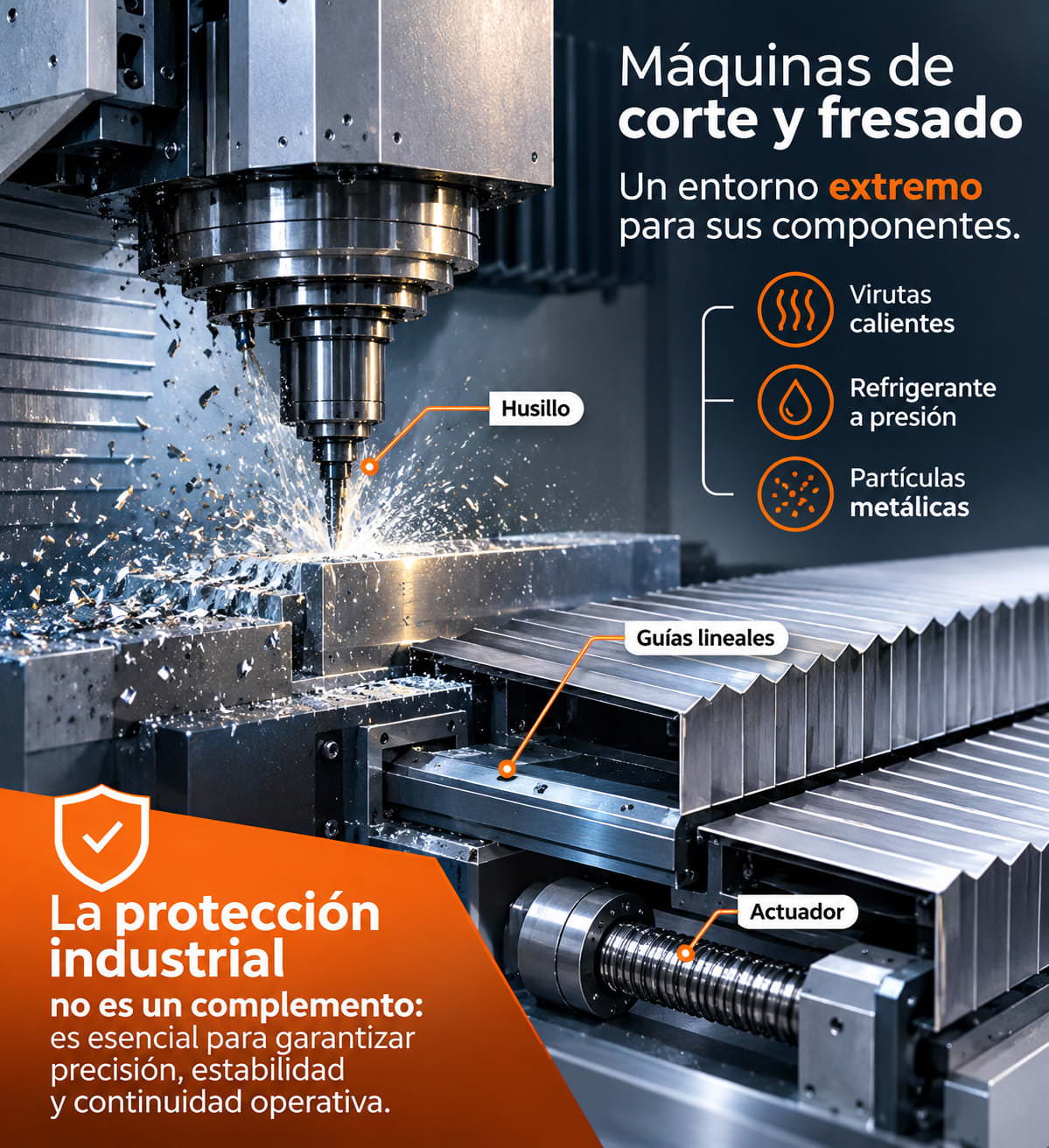
Cutting and milling machines operate in one of the harshest industrial environments. The combination of hot chips, pressurized coolant, and metal particles creates conditions in which moving components—especially linear guides, actuators, and spindles—are subject to accelerated wear. Industrial protection is not merely an add-on; it is an essential element for ensuring precision, stability, and operational continuity.
Diagnosing the problem: what actually happens inside a milling machine?
To understand the importance of protection, it is necessary to analyze how the elements of the machining process interact with the machine:
Hot chips
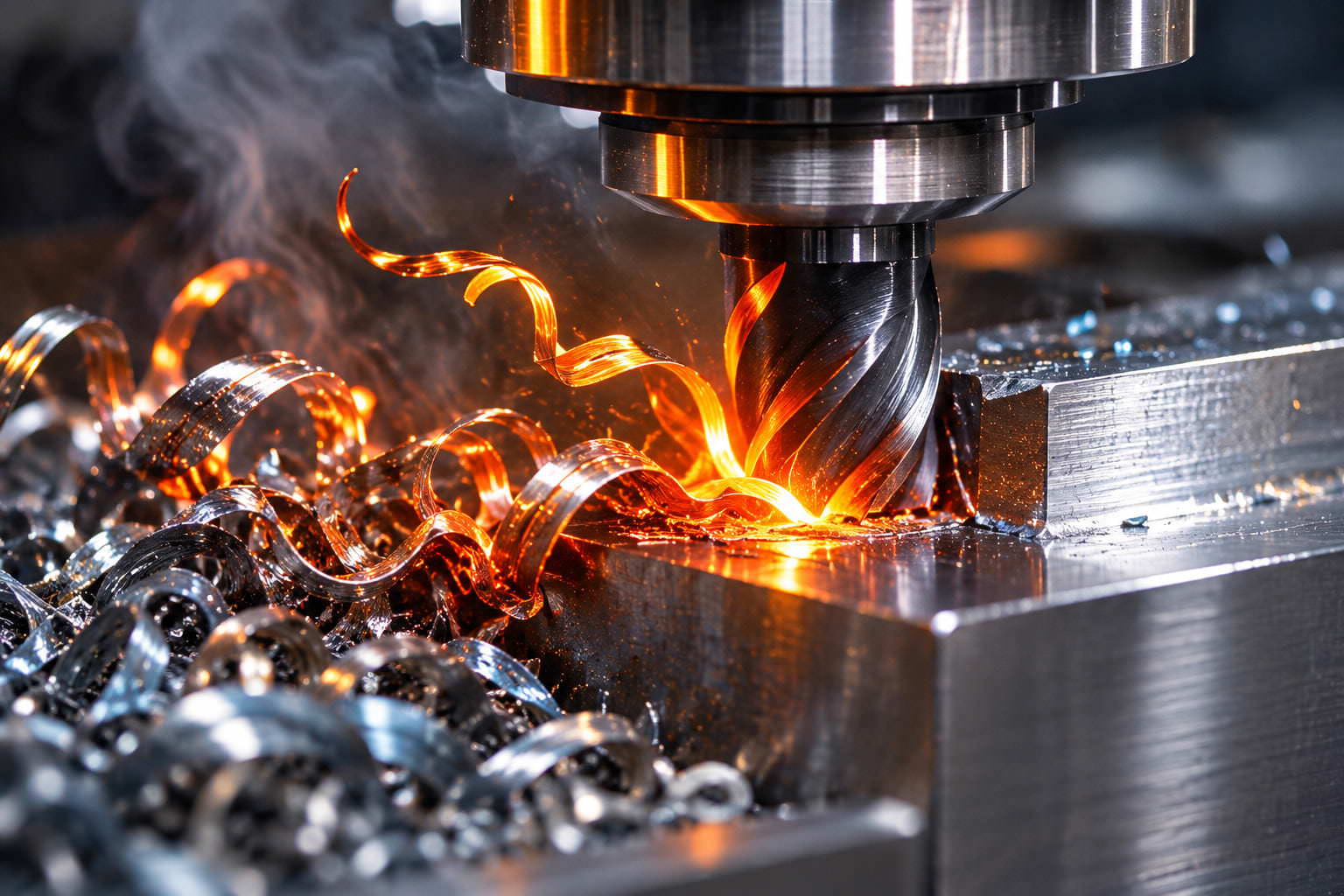
Chips generated during milling can reach high temperatures. When these particles enter the linear guides, they:
● become embedded in the seals,
● cause micro-abrasion,
● alter friction,
● induce vibrations and positioning deviations.
Coolant
Coolant serves a critical function: dissipating heat and improving cut quality. However, it can also:
● degrade lubricants,
● penetrate internal areas,
● cause oxidation of metal components,
● contaminate motion systems.
Metallic abrasion
Metal particles act as a continuous abrasive, wearing down guides, actuators, and spindles, thereby reducing their service life.
Environmental analysis: why milling requires specialized protection
Milling combines three factors that accelerate deterioration:
1. Constant impact from chips
2. Continuous flow of coolant
3. High-speed, repetitive cycles
This environment demands protective solutions capable of withstanding heat, abrasion, and chemicals without compromising movement.
Recommended protection solutions
Protection must be adapted to the machine’s geometry, the type of cutting process, and the working environment.
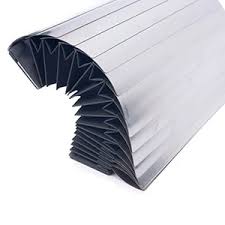
Bellows for CNC machine beds
These serve as the first line of defense. They prevent chips and coolant from reaching the linear guides, ensuring consistent friction levels and reducing wear.
Metal bellows
Constructed from stainless steel or specialized materials, these can withstand high temperatures and extreme abrasion. They are ideal for heavy-duty milling or environments involving hot chips.
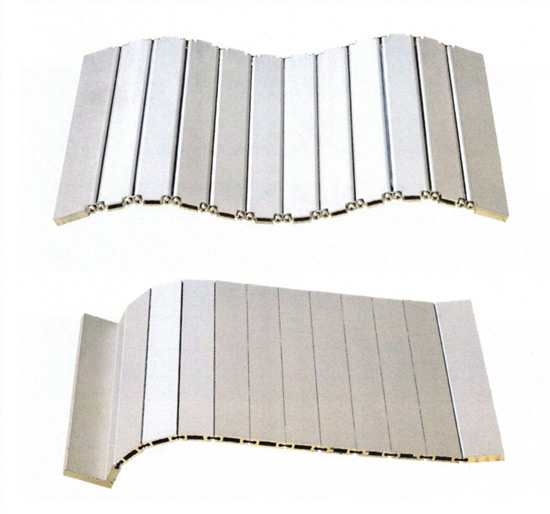
Roll-up covers
Perfect for long travel distances and high-speed movement. Their automatic retraction prevents the accumulation of chips and simplifies cleaning.
Abrasion-resistant technical fabrics
Designed to withstand continuous wear, chip impact, and exposure to coolant.

Selection criteria for engineers
Choosing the appropriate protection requires evaluating:
1. Process temperature
If the chips are hot, stainless steel or anti-abrasion fabrics are recommended.
2. Type of coolant
Aggressive coolants require chemically resistant materials.
3. Speed and travel
For rapid movements, the bellows must be lightweight and flexible.
4. Available space
The machine’s geometry determines whether folded bellows, curtains, or specialized solutions should be used.
5. Duty cycles
For machines operating 24/7, reinforced materials and drainage systems are recommended.
Impact on productivity
Adequate protection can:
● reduce failures in linear guides,
● decrease vibrations,
● improve machining quality,
● extend the service life of actuators and spindles,
● reduce maintenance-related downtime,
● increase machine availability.
Conclusion
Protection for cutting and milling machinery is a critical component for ensuring precision and operational continuity. A well-designed protection system reduces failures, minimizes maintenance, and improves machining quality, even in the most demanding environments.