

The combination of incandescent particles, constant debris projection, and friction makes hot chips one of the most aggressive elements for machining cells and CNC equipment. A failure in the protective barrier directly exposes guideways, spindles, and drive systems, shortening their service life and causing unscheduled production line downtime.
Selecting the ideal material for a protective bellow under these operating conditions is crucial for ensuring effective sealing and the continuous operation of the machinery.
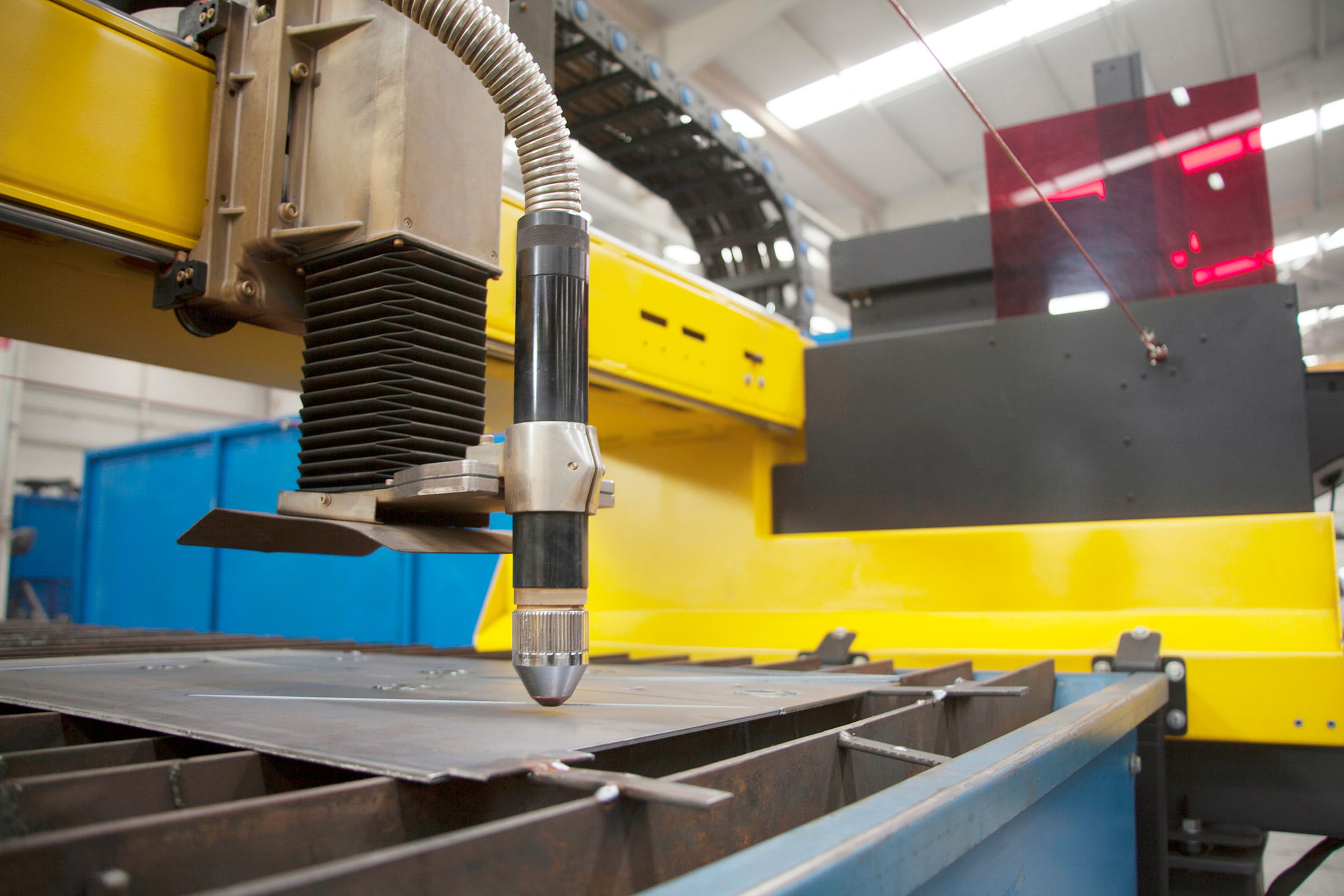
Failure mechanisms in bellows exposed to incandescent metal chips
Conventional coverings—such as PVC, polyurethane, or standard industrial fabrics—undergo accelerated deterioration due to three simultaneous factors:
● Puncture through direct contact: High-temperature metal chips penetrate polymers and lightweight textiles, creating micro-perforations that allow abrasive dust and coolant (cutting fluid) to seep through.
● Thermal degradation and deformation: Constant heat alters the structure of the base fabric, reducing its compressibility and causing irregular folds.
● Continuous mechanical abrasion: The sharp edges of the metal debris cause constant mechanical wear on the outer surface of the bellows during extension and retraction cycles.
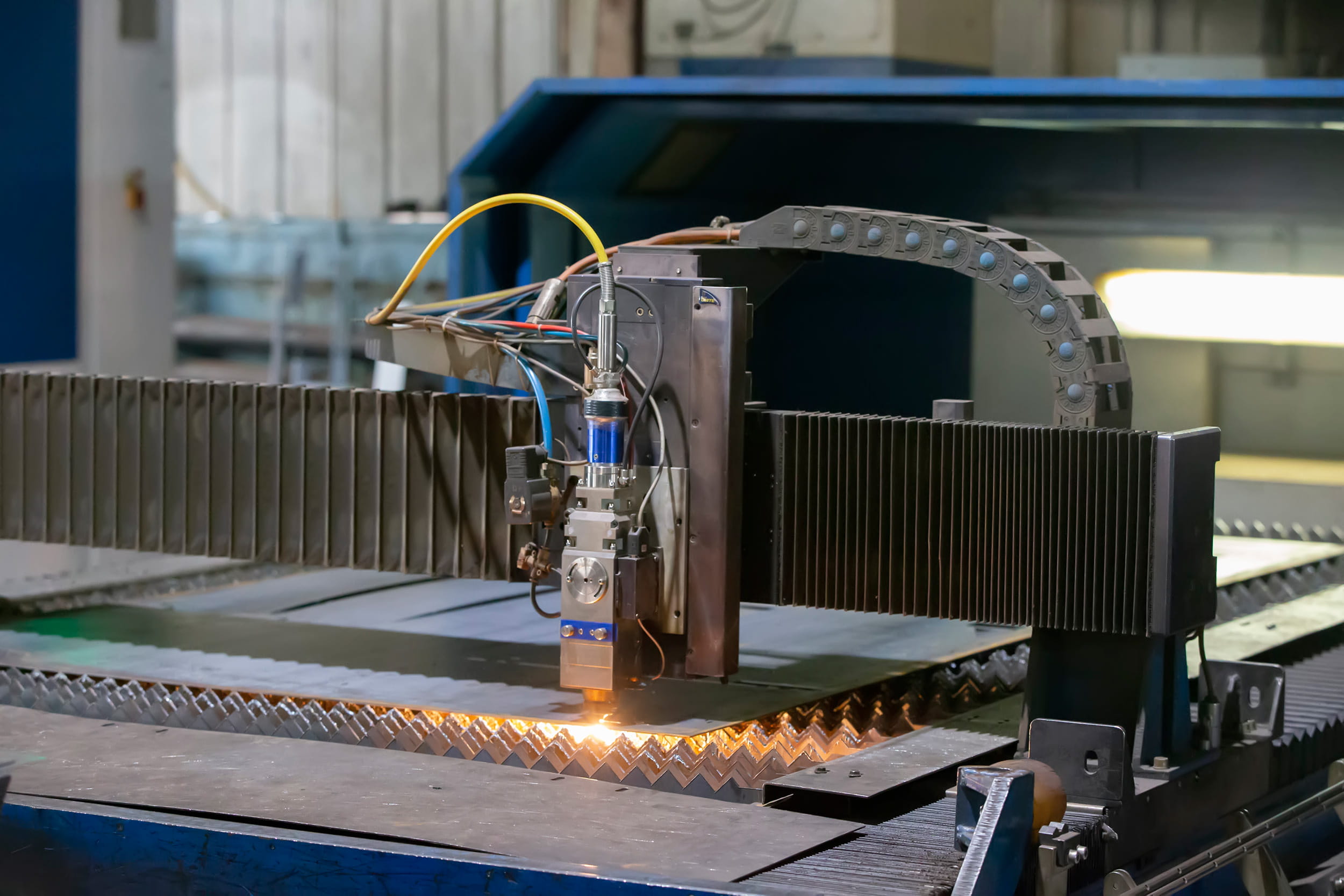
Comparison of technical materials for high-thermal-impact environments
| Material | Thermal resistance level | Mechanical behavior | Recommended application environment |
| Flame-retardant technical fabrics | Medium – High | High flexibility and dimensional recovery. | CNC machining centers with hot—but not incandescent—chips. |
| Fiberglass fabrics with special coatings | Very High | Excellent dimensional stability and high resistance to cutting. | Intensive machining of steel or cast iron, and processes involving direct heat exposure. |
| Metal sheet guards | Extrem | Total resistance to abrasion and incandescent sparks; greater structural rigidity. | High-performance processes, heavy-duty machining, or areas immediately adjacent to the cutting point. |
Key factors for specifying protective bellows
To determine the optimal composition and design of a protective cover, it is necessary to evaluate the actual conditions within the work area:
1. Peak and residual temperature: Assess whether any debris remains incandescent upon impact with the protective surface.
2. Impact frequency and energy: Determine the volume of chips (swarf) and the velocity at which they are projected from the tool.
3. Distance to the cutting point: The closer the cover is to the machining zone, the higher the thermal density and mechanical resistance required of the selected material.
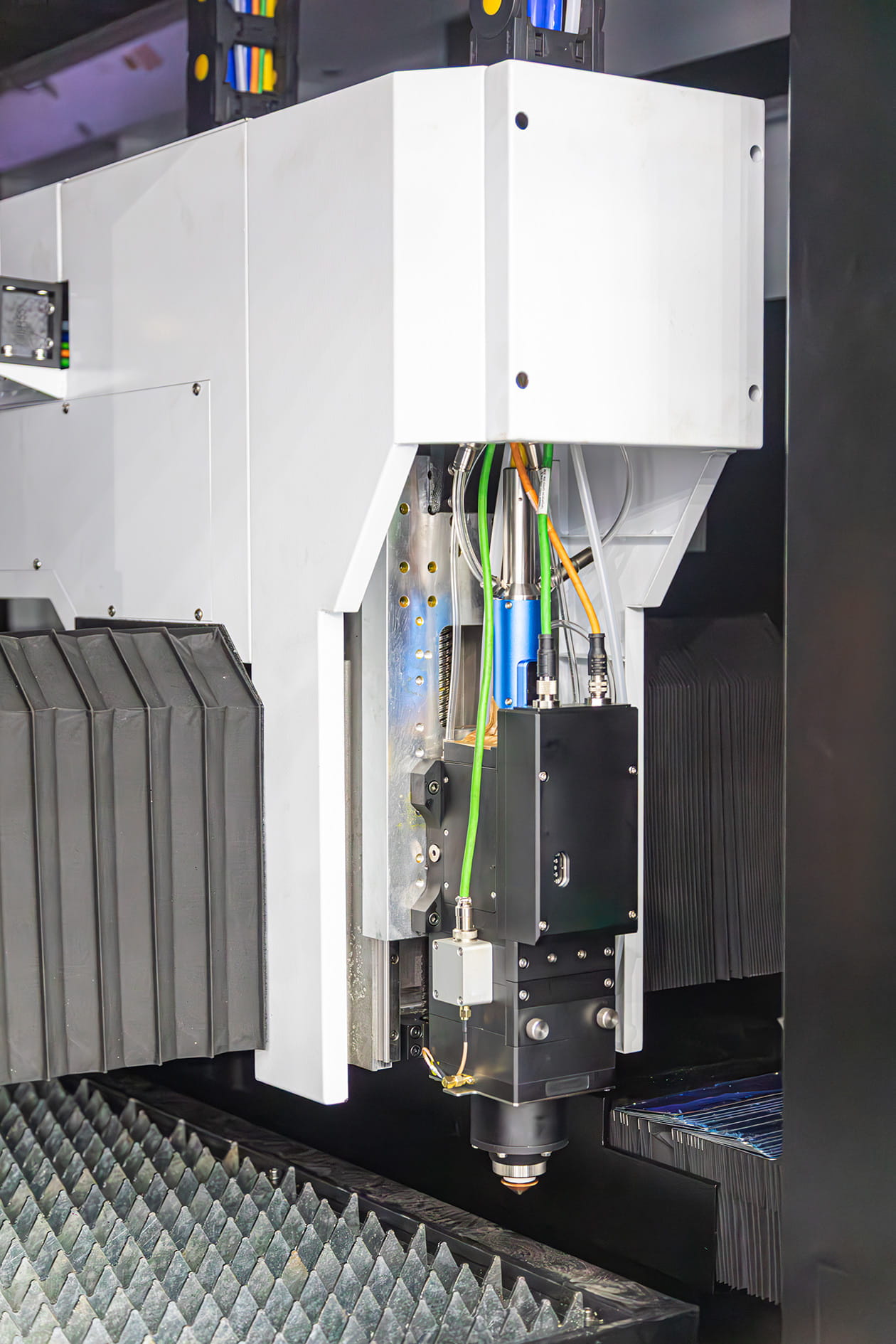
Lluis Creus Solutions: Protective Engineering for Demanding Environments
At Lluis Creus, we manufacture custom industrial protective components tailored to the operating conditions of individual machines or robotic cells. Our working methodology centers on the technical development of each solution to maximize durability, even in the harshest environments:
● Technical consulting and material selection: We analyze the thermal, chemical, and mechanical variables of your process to select the ideal textile, coating, or metal structure.
● Custom designs for complex kinematics: We develop geometries that ensure controlled flexibility without compromising workspace or placing stress on drive motors.
● Waterjet cutting technology: We machine components, flanges, and reinforcements to precise tolerances, ensuring a perfect fit and seal upon installation.
● Quality backed by ISO 9001:2015: With extensive expertise in custom manufacturing, we guarantee consistent quality standards and maximum reliability in the production of replacement parts.
If you need to determine the ideal material to protect your machining lines from hot metal chips, Lluis Creus can develop a technical solution tailored specifically to your equipment.