

Specifying a bellows without defining the fabric material leaves the most important decision in the hands of the supplier. Polyurethane, PVC, and Kevlar are not interchangeable; each is suited to a different working environment, and choosing the wrong material will result in premature failures, even if the bellows geometry is correct.
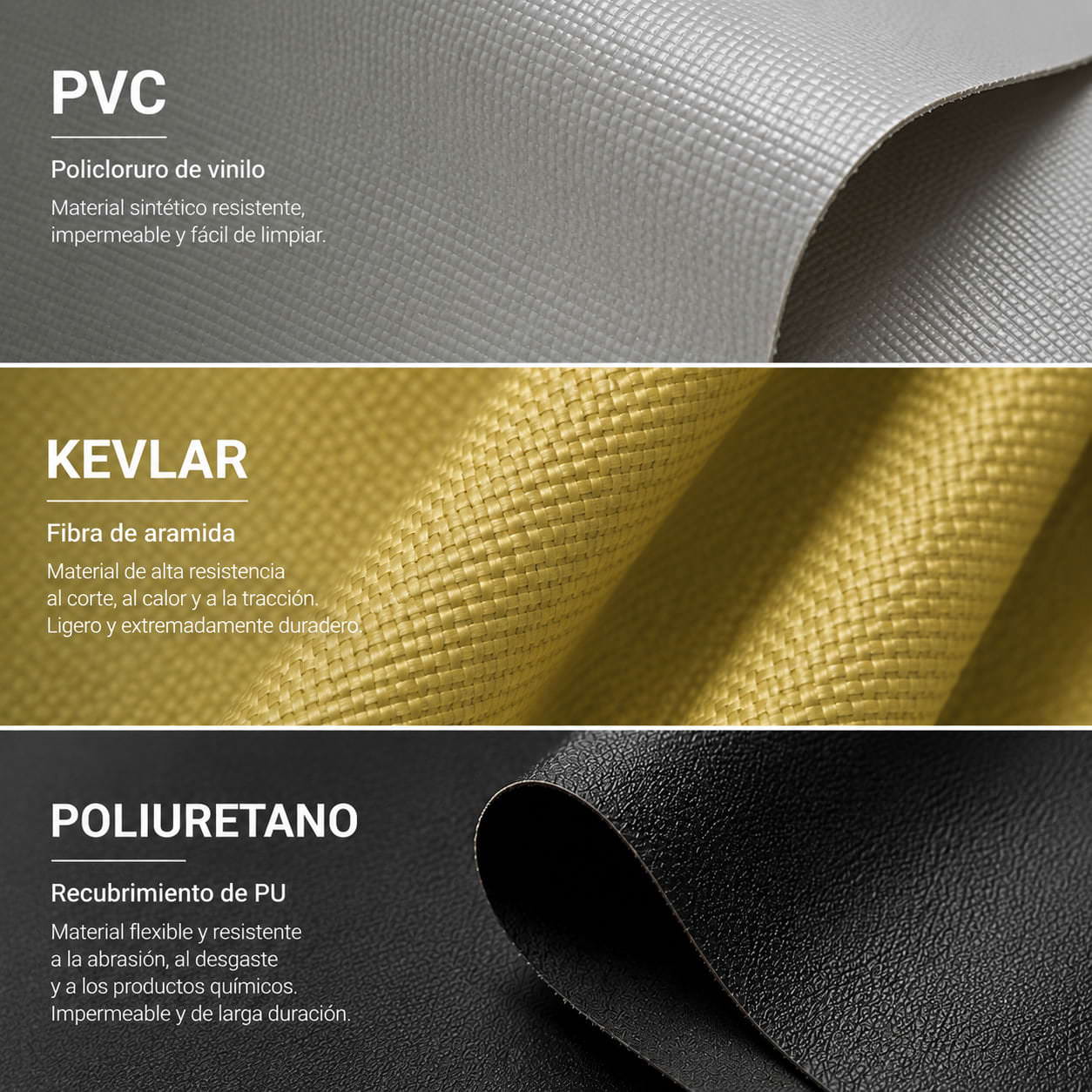
Polyurethane (PU)
Polyurethane is the material of choice when abrasion and tear resistance are paramount.
● Abrasion resistance: This is its main strength; it withstands the constant friction of chips and particles without losing integrity.
● Cold flexibility: It maintains its elasticity over a wide temperature range without becoming brittle.
● Hydrocarbon resistance: It performs well against oils and greases, common in machining environments.
● Temperature limit: Its continuous use range is typically between -30°C and approximately 80°C; above this range, the material begins to degrade.
It is the standard choice for conventional machine tools, machining centers, and applications where metal chips are the primary wear agent.
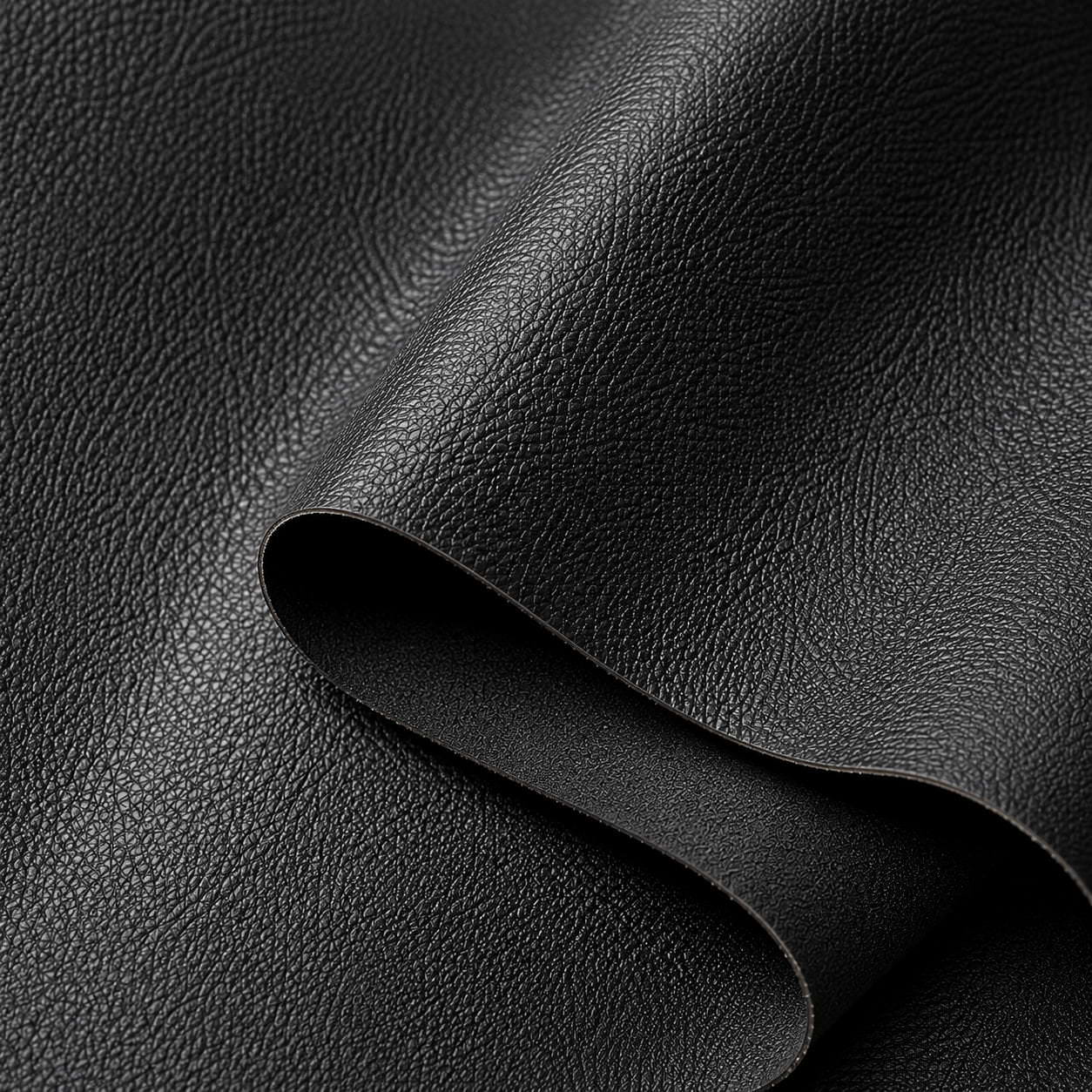
PVC
PVC is the most economical and versatile alternative for less demanding environments.
● Good general chemical resistance: withstands contact with water, diluted cutting fluid, and humid environments well.
● Lower abrasion resistance than polyurethane: wears out faster in environments with coarse abrasive chips.
● Poorer performance at low temperatures: tends to lose flexibility and become rigid when cold, which can cause cracking at the folds.
● Lower cost: it is the most budget-friendly option for moderately demanding applications. It is well-suited for guide rail protection primarily exposed to water, fine dust, or indoor environments without significant temperature fluctuations, such as bellows for wastewater treatment plants or purification systems.
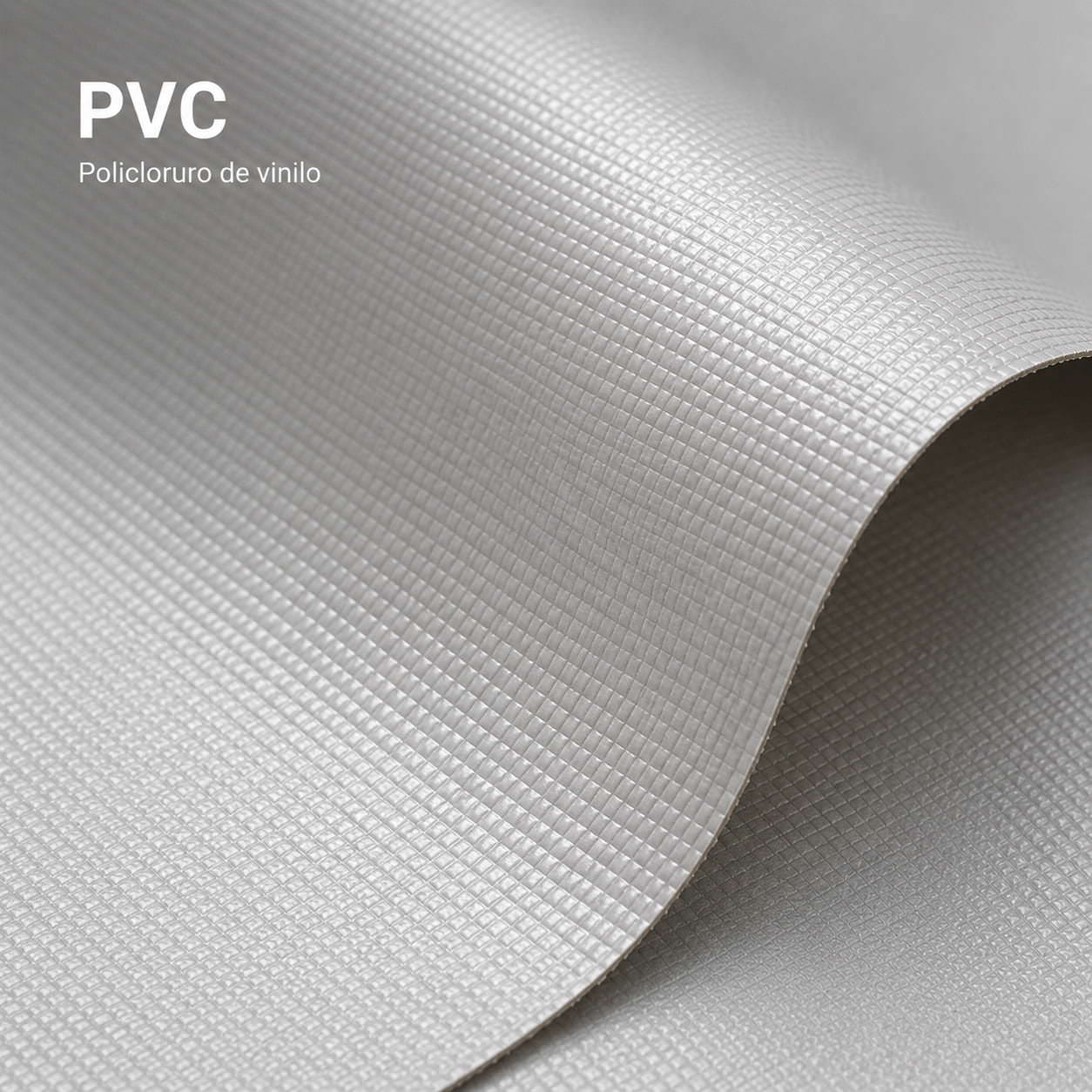
Kevlar
Kevlar comes into play when the environment exceeds what polyurethane or PVC can withstand.
● Mechanical and cut resistance: It is the benchmark fiber against sharp particles or high-energy projections.
● High-temperature stability: It withstands much higher temperature ranges than polyurethane or PVC, relevant in environments such as solar thermal power plants or processes involving heat radiation.
● Puncture resistance: Against welding sparks or molten metal projections, it offers protection that neither PU nor PVC can match.
● Higher cost: It is the most expensive of the three options and is reserved for applications where failure of the protective layer poses a greater risk, not just a maintenance issue.
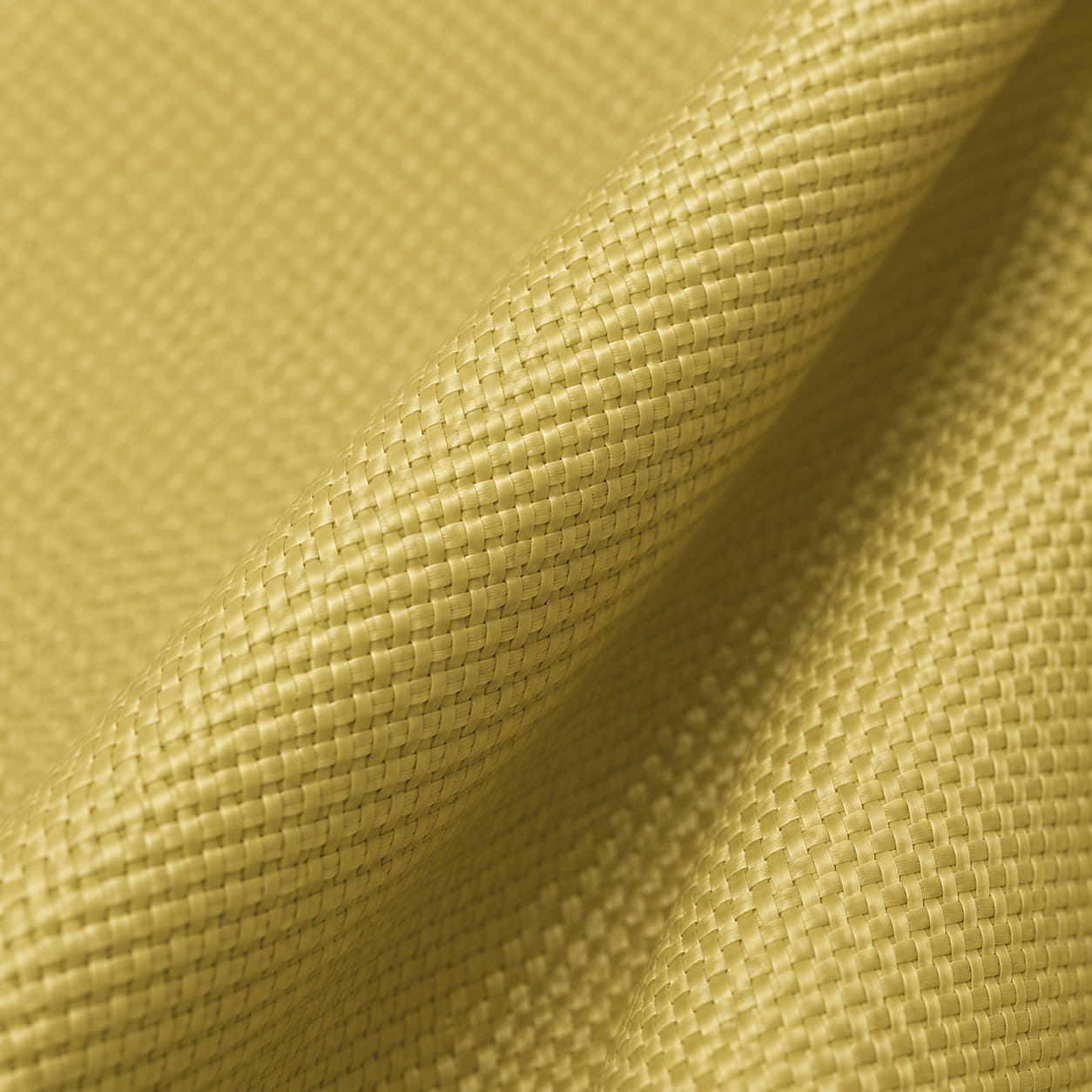
Comparative table by environment
| Working environment | Recommended material |
| Abrasive metal chips, conventional machining | Polyurethane |
| Water, diluted cutting fluid, humid environment without severe abrasion | PVC |
| High temperature, heat radiation, solar thermal | Kevlar |
| Welding sparks or molten metal splashes | Kevlar |
| Tight budget, low mechanical requirements | PVC |
| Prolonged exposure to hydrocarbons | Polyurethane |
A common mistake: choosing based on price rather than environment
The most common error when specifying a bellows isn’t in the geometry, but in selecting the cheapest material without verifying whether the working environment justifies it. PVC in an environment with sparks will puncture within weeks. Polyurethane in an environment with sustained temperatures exceeding 100°C loses elasticity and cracks. The initial savings on material translate into higher costs due to frequent replacements and unscheduled machine downtime.
Conclusion
Polyurethane, PVC, and Kevlar don’t compete with each other in absolute terms; each solves a different problem. The right question when specifying a bellows isn’t which is the best material, but which material is suitable for the temperature, abrasion, and chemical agents present at that specific point on the machine.