In industrial maintenance, downtime is everything. Every hour a machine is out of service means lost production, missed deadlines, and increased pressure on the technical team. The problem arises when the spare part you need isn’t in the catalog, has a lead time of weeks, or is simply no longer manufactured. That’s where waterjet cutting is a game-changer.
What is waterjet cutting and why does it matter in maintenance?
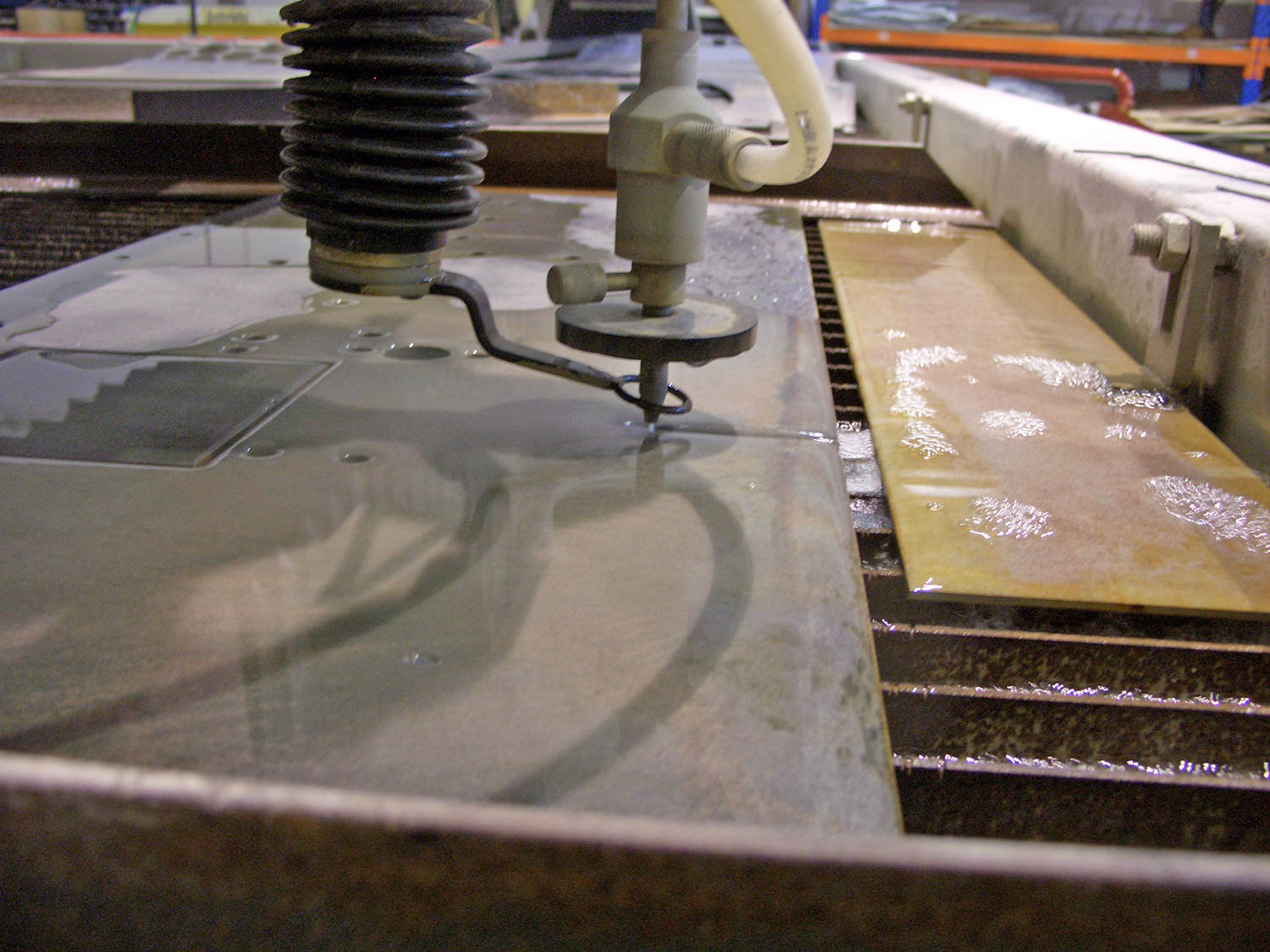
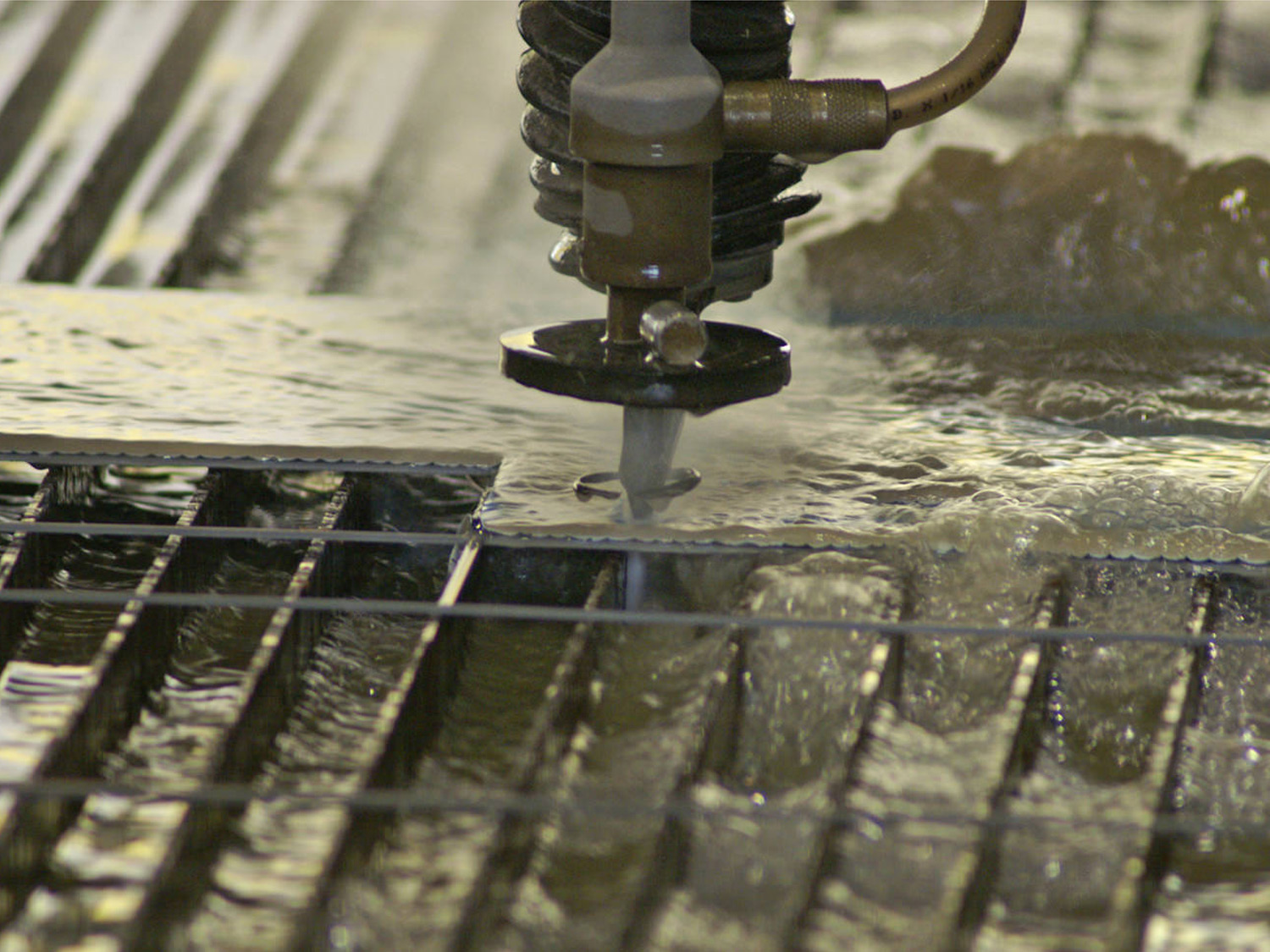
Waterjet cutting is a cold machining process that uses a high-pressure water jet, combined with an abrasive, to cut virtually any material with very high precision. No heat, no heat-affected zones, no deformation.
For a maintenance technician, that means one concrete thing: you can manufacture the exact replacement part you need, in the material you need, in a matter of hours, without the metal undergoing any structural alteration.
The real problem it solves
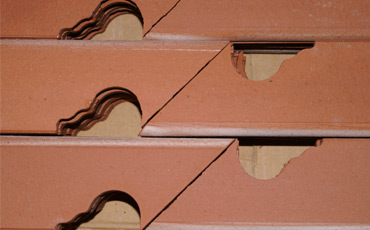
Critical machine parts don’t always have readily available replacements. They might be discontinued components, imported parts with long lead times, or elements so specific that the manufacturer no longer supplies them. In these cases, the traditional options are to wait, improvise, or stop.
Waterjet cutting adds a fourth option: manufacturing. Using the blueprint or the damaged part as a reference, the component can be reproduced with tight tolerances, ready for installation without additional modifications.
Materials that can be cut
This is one of the great advantages of waterjet cutting in industrial environments: versatility. A single process allows you to work with stainless steel, aluminum, titanium, copper, engineering plastics, rubber, composites, and virtually any material that appears on a production line. No tool changes, no process reconfiguration.
For maintenance, this means that with a single supplier you can manufacture replacement parts in completely different materials, depending on the needs of each machine.
When to use waterjet cutting to manufacture spare parts
You don’t need a breakdown to take advantage of this technology. These are the most common cases in industrial maintenance:
● Discontinued part no longer supplied by the original manufacturer
● Spare part with a long lead time that you can’t afford to wait for
● Damaged component for which you only have the broken part as a reference
● Modification of an existing part to adapt it to a new requirement
● Manufacturing several units to maintain stock of a critical component
What you need to order a replacement part for waterjet cutting
The process is simpler than it seems. To manufacture a part using waterjet cutting, you need to provide:
● The part’s drawing in digital format, or the damaged part as a physical sample
● The material it should be made from
● The material thickness
● The quantity of parts needed
● The required tolerance if it’s a precision component
With this information, we can provide a quote and manufacture the replacement part without lengthy engineering processes or unnecessary waiting times.
Conclusion
El corte por agua no es una tecnología del futuro, es una herramienta disponible hoy que los equipos de mantenimiento más eficientes ya utilizan para resolver en horas lo que antes tardaba semanas. Sin alterar el material, con la precisión que el componente necesita y en el material exacto que requiere cada aplicación.
La próxima vez que un repuesto crítico te deje tirado, antes de llamar al fabricante original, pregúntate si se puede fabricar. Probablemente la respuesta sea sí.