

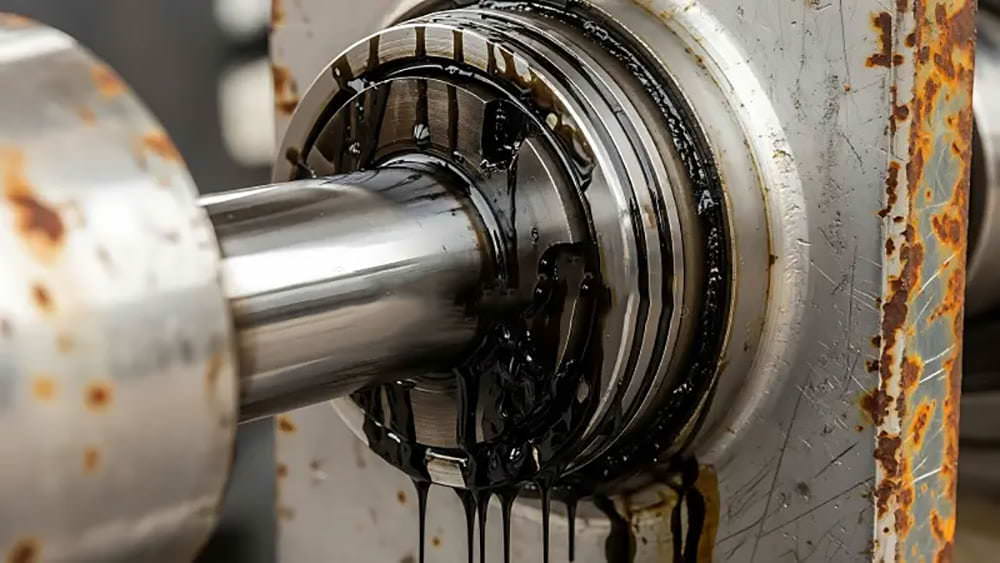
The cylinder doesn’t give any warning. One day it works, the next there’s oil on the floor and the line is down.
In this article, we explain what’s behind these premature failures and how other plants have managed to extend the intervals between maintenance interventions.
The problem nobody sees (Until it’s too late)
The piston rod of a hydraulic cylinder is a precision mechanical component. It’s designed to slide with minimal tolerance on its seals, maintaining constant hydraulic pressure for thousands of cycles.
But there’s something no cylinder manufacturer can control: its environment.
In a typical industrial plant, the piston rod is exposed to:
● Dust and abrasive particles
● Humidity and condensation
● Splashes of chemicals or cleaning fluids
● Impacts and scrapes from nearby operations
Every time the cylinder retracts, these particles become trapped between the piston rod and the seal. It’s like running sandpaper between two surfaces that should be perfectly sealed.
The result: micro-scratches on the piston rod, premature wear of the seal, oil leaks, and ultimately, a total loss of pressure.
The real cost of a leak (It’s not just the oil)
If you work in industrial maintenance, you know that replacing a gasket kit isn’t expensive. What’s expensive is what happens around it.
When a critical cylinder fails:
1. Production Stoppage — An unplanned stoppage on an assembly line, press, or machine tool directly impacts productivity and delivery times.
2. Team Overtime — Your maintenance staff is dealing with an emergency, not performing the preventative maintenance they had planned.
3. Cross-Contamination — Leaking oil can carry particles into the reservoir, affecting pumps, valves, and other system components.
4. Major Repairs — If the piston rod is damaged, the repair is no longer just replacing gaskets. It involves disassembling, grinding, or replacing the entire cylinder, with the associated costs and downtime.
The solution used by plants with the lowest downtime rates
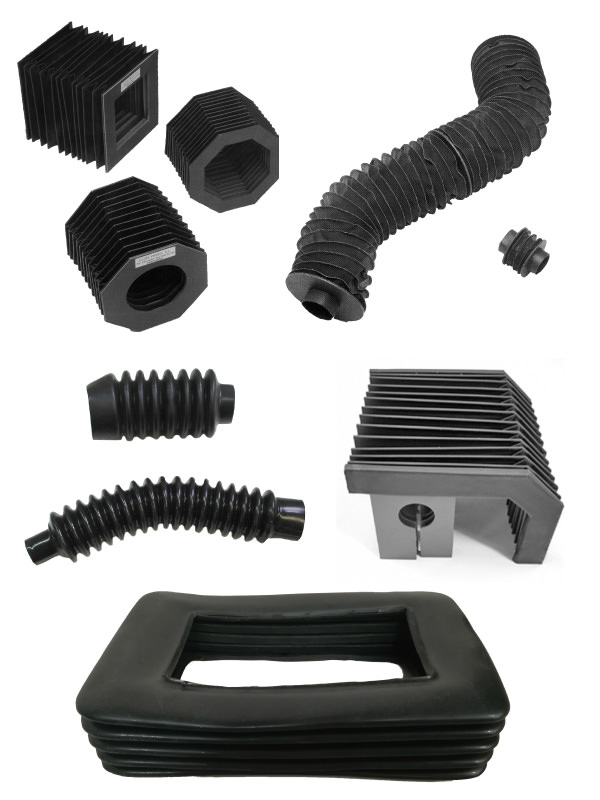
In demanding industrial environments such as mining, steel, automotive, ceramics, and food processing, a widely implemented solution is the use of custom-made protective bellows.
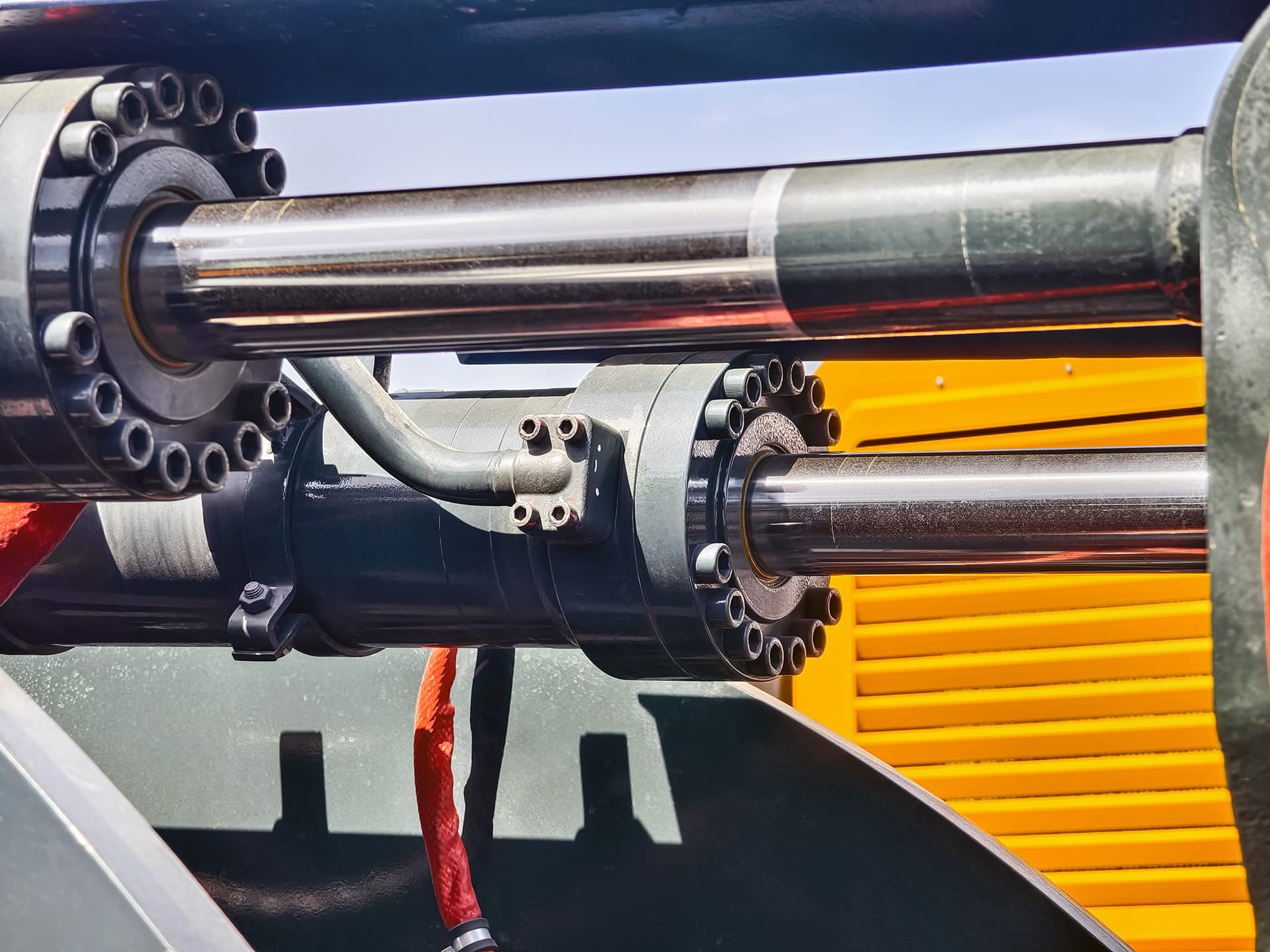
A bellows acts as a mechanical barrier that isolates the piston rod from the outside environment throughout the entire work cycle. As the cylinder extends and retracts, the bellows folds and unfolds, keeping the piston rod protected at all times.
What this achieves:
● Prevents particles from coming into contact with the piston rod
● Eliminates abrasion on the seals and scraper
● Maintains hydraulic pressure without leaks
● Prevents contaminants from entering the hydraulic circuit
Companies that have incorporated bellows into their critical cylinders have significantly reduced the number of unplanned maintenance interventions.
Sounds good, but you don’t know where to start? It’s that simple.
Not all bellows are suitable for all machines. A poorly designed bellows (incorrect size, unsuitable material, weak fastening) doesn’t provide adequate protection and can even interfere with movement.
The proper process is:
1. Identify the critical cylinders—those whose shutdown halts production.
2. Take measurements—rod diameter, stroke, available space.
3. Choose the appropriate material—based on the environment: oils, temperatures, chemicals, abrasion.
4. Custom design and manufacturing—with fastening systems that guarantee a watertight seal and durability.
Would you like us to inspect your critical cylinders?
At Lluís Creus, we specialize in the design and manufacture of custom bellows for industrial environments. We analyze each application and propose a solution tailored to the specific conditions of your facility.
● We identify critical points in your plant
● We manufacture bellows with the exact dimensions of your machine
● We select the appropriate materials for your working environment