

In many industrial plants, the problem isn’t that the machine is old.
The problem is that the protective bellows are broken, degraded, or original replacement parts are simply no longer available.
When the manufacturer stops supplying spare parts, the consequences are clear:
- Exposed spindles.
- Contaminated guides.
- Critical components operating without protection.
- Recurring breakdowns and unplanned downtime.
Obsolescence starts with the bellows, not the machine.
The real problem: working without proper machine guarding
When a bellows fails or disappears, the machine keeps running… for a while.
But every cycle without protection accelerates wear.
Common problems we see in maintenance include:
- Chip, dust, or liquid ingress into critical areas.
- Increased play in guides and shafts.
- Premature failure of expensive components.
- Repeated repairs that don’t address the root cause.
Replacing bearings, spindles, or guides without addressing the guarding issue is treating the symptom, not the cause.
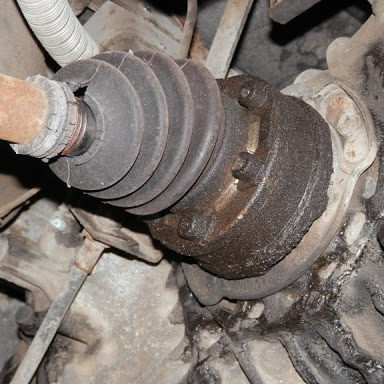
“No original replacement partavailable”: the most common maintenance block
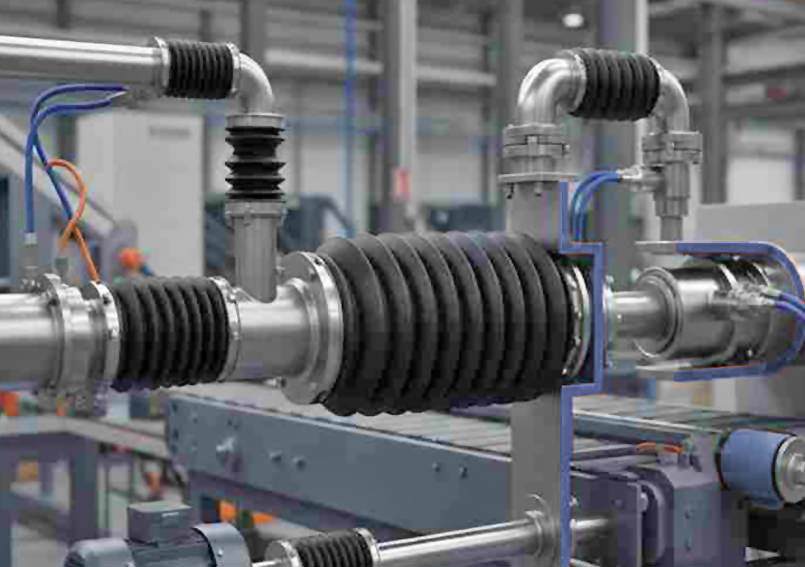
Many maintenance managers encounter the same situation:
- The original bellows is discontinued.
- The machine manufacturer is no longer responding.
- There are no clear references or updated drawings.
And then the question arises:
“Do we continue repairing it or replace the machine?”
In most cases, the machine doesn’t need to be replaced.
It needs a well-designed machine protection system.
The common mistake: installing any “similar” bellows
One of the most frequent errors is installing:
- Standard bellows.
- Generic guards.
- Makeshift solutions.
This usually results in:
- Premature breakage.
- Interference with movement.
- Increased wear and tear.
- More downtime and more frustration.
A bellows is not an accessory.
It is a technical component that must be designed according to the machine and its actual environment.
The solution: protective bellows designed for your machine, not a catalog
When original replacement parts are unavailable, the effective solution is:
- Design custom bellows.
- Adapt them to the actual travel distance, speed, and environment.
- Choose the appropriate material based on contamination, temperature, and cycle times.
A good machine protection system:
- Prevents costly breakdowns.
- Reduces corrective maintenance.
- Extends the machine’s lifespan.
- Restores stability to the production process.
In many cases, the new bellows perform better than the original.
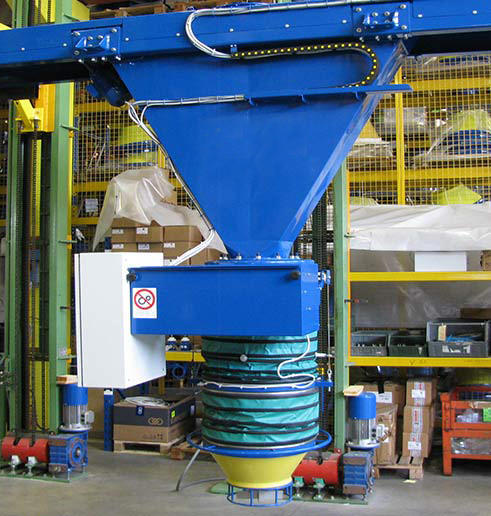
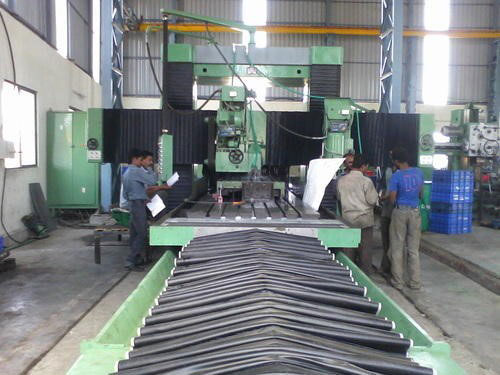
What a bellows must do to solve the problem (not just patch it up)
Before installing any solution, these questions must be answered:
- What is actually damaging the machine?
- What contaminants are present?
- What is the shaft’s travel and speed?
- Where was the original design flawed?
A well-designed bellows:
- Protects without interfering.
- Lasts longer.
- Reduces downtime.
- Prevents the same problem from recurring within a few months.
Changing the bellows or changing the machine: the smart choice
Before investing in a new machine, it’s worth analyzing:
- The actual cost of breakdowns.
- The impact of downtime.
- The price of a suitable protection system.
In most cases, investing in bellows and machine protection is the most cost-effective and quickest option.
Conclusion
If your machine no longer has original spare parts, the problem isn’t the machine itself. The problem is that it’s operating without proper protection.
Protective bellows are not a minor detail:
- They are the first line of defense.
- They determine the reliability of the equipment.
- They make the difference between keeping or replacing a machine.
Before accepting obsolescence, check the protection.