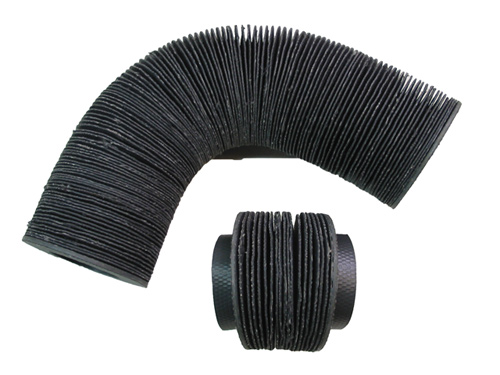

Comparison of materials for industrial bellows: which one to choose for your application
Selecting the material for an industrial bellow is a critical decision that directly impacts the system’s durability, flexibility, resistance, and performance. An unsuitable material can lead to premature wear, deformation, loss of seal integrity, or failure in...
How to protect outdoor industrial machinery: solutions for weather, dust, and humidity
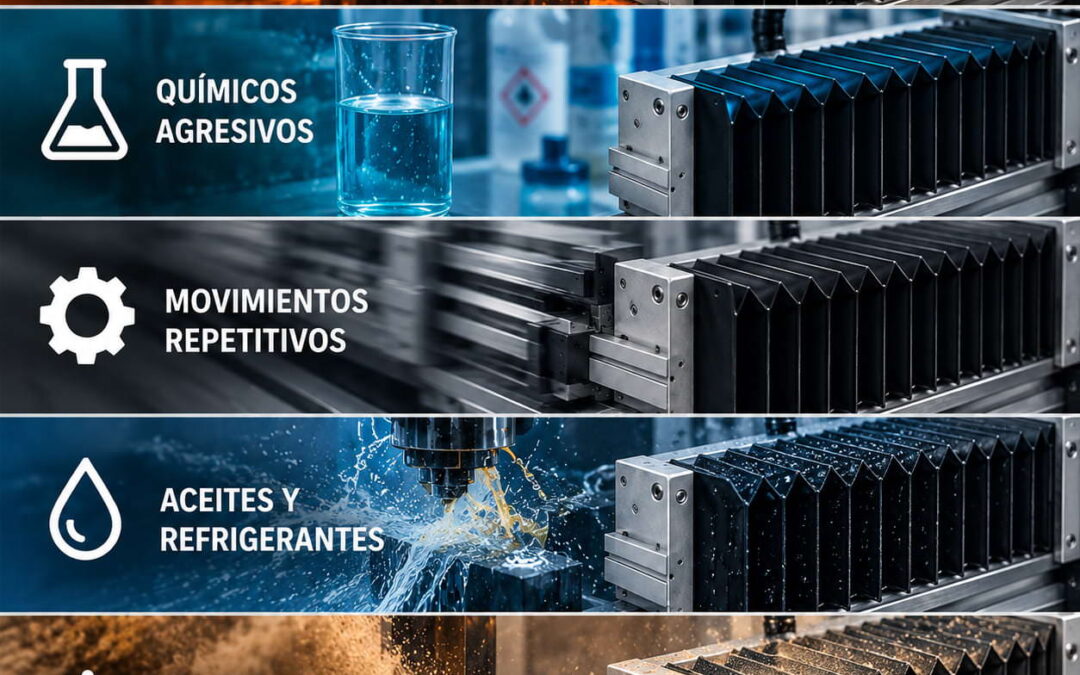
Machinery operating outdoors is exposed to conditions that accelerate wear and tear: rain, dust, UV radiation, humidity, temperature fluctuations, and airborne particles. Protecting moving parts is essential to prevent failures and extend service life. Factores que...
How to protect 24/7 automated lines to maximize uptime and reduce failures
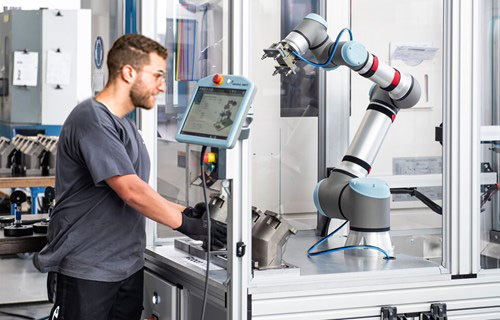
Automated lines operating 24/7 represent one of the most demanding environments in modern industry. Operational continuity is critical: every unplanned stoppage directly impacts productivity, process stability, and operating costs. In this context, protecting moving...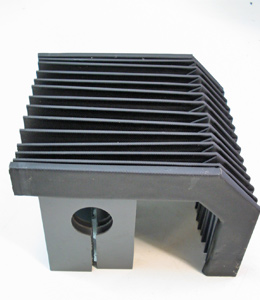
How to extend the lifespan of linear guides: A technical guide for engineers
Linear guides are one of the most important components in CNC machinery, industrial automation, robotics, and precision systems. Their performance determines the accuracy, repeatability, and lifespan of the entire machine. However, they are also among the elements...